Menu Close

DBT Therapy for Teens in Los Angeles, CA

Dialectical behavior therapy (DBT) is an evidence-based approach that teaches skills for managing intense emotions, tolerating distress, and handling relationships more safely. HillsidesCares offers DBT for children and teens ages 6–17 in Pasadena and throughout Los Angeles County. DBT is available across our levels of care, including residential care, partial hospitalization (PHP), and intensive outpatient (IOP) programs.

When your child’s emotions or behavior feel difficult to manage at home, at school, or in relationships, it can be hard to know what kind of support to seek. Our team begins with an assessment, listens to your family’s concerns, and considers which therapies and level of care may fit your child’s needs.

What is dialectical behavior therapy

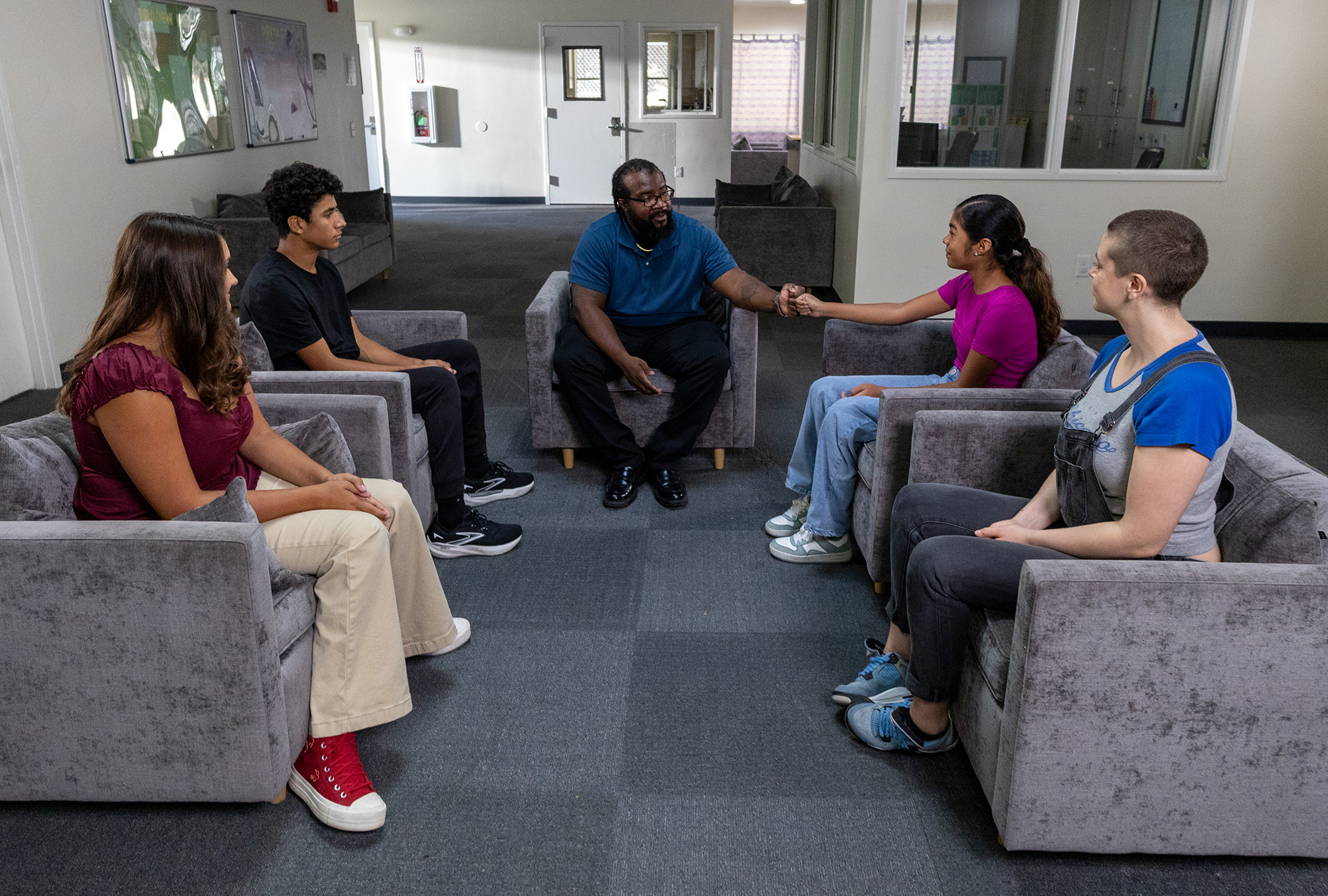
Dialectical behavior therapy is a structured form of talk therapy that can help youth accept what they are feeling while learning safer, more effective ways to respond. DBT combines individual therapy, skills practice, and mindfulness. The goal is to help a child or teen pause, understand what is happening, and use a practiced skill instead of reacting impulsively.

DBT is active and practical. A young person may learn how to notice an emotion without being controlled by it, get through a difficult moment without making it worse, ask for what they need, or repair conflict. At HillsidesCares, DBT is used as part of an individualized treatment plan shaped by a clinical assessment, the client’s age and needs, and the family’s goals.

Why we offer dialectical behavior therapy for teens and children

Dialectical behavior therapy (DBT) is a highly effective and unique treatment method. It encourages your child to re-examine their behavior, opinions, and core beliefs. As a result, they learn to regulate their emotions and appropriately react to stressful situations.

We offer a specialized dialectical behavior therapy program in Los Angeles, CA. At our beautiful and nurturing 17-acre campus in Pasadena, children and adolescents learn vital life skills and how to modify their negative behavior. Thus, DBT offers several unique benefits:

  • Core mindfulness: DBT teaches the youth to be self-aware and introspective at its heart. They learn to understand themselves better and recognize harmful thoughts/behavior.
  • Emotional regulation: Children often get overwhelmed by their emotions and react accordingly. We teach them to manage negative emotions such as anger, hatred, and aggression better. Instead of giving in to their emotions, they channel them more productively.
  • Interpersonal conflict: They also learn to understand other people better by knowing themselves. As a result, they get better at handling and resolving conflict.
  • Improved mental health: DBT is particularly recommended for youth who display self-destructive or violent behavior. Their emotional well-being also receives a boost by developing better coping mechanisms and achieving a sense of inner tranquility. 

DBT uses a variety of techniques and exercises. After a complete psychological assessment, the therapists may formulate a recovery plan. Depending on the client’s needs, it may include one or more DBT sessions a week.

Meet the treatment team

DBT vs. CBT: Which approach is right for your child?

DBT and cognitive-behavioral therapy (CBT) are both structured, evidence-based talk therapy approaches. They share some tools, but they often begin with a different goal. DBT focuses on managing intense emotions, tolerating distress, and improving relationships. CBT helps youth explore how thoughts, feelings, and actions affect one another so they can practice healthier ways to cope.

Approach Main focus Skills a young person may practice
DBT Balancing acceptance with change when emotions or reactions feel intense Mindfulness, distress tolerance, emotion regulation, communication, and conflict skills
CBT Identifying connections between thoughts, feelings, and behaviors Examining unhelpful thoughts, testing new perspectives, problem-solving, and changing behavior patterns

Some youth may benefit from a combination of both approaches. The right recommendation depends on your child’s symptoms, safety, development, current supports, and treatment goals. A clinical assessment can help your family understand which approach, or combination of approaches, may be appropriate.

Our treatment center in Los Angeles and Pasadena, CA

By opting for specialized behavioral therapy for teens and children, your child receives several benefits and advantages, such as the following:

  • Early intervention: By commencing treatment early, we can help your child build a better life for themselves. While many centers may refuse to treat a kid until they are at least twelve years old, we treat children as young as six years or as old as seventeen.
  • Education and life skills: We offer several educational and training services, including one-on-one tutoring, so that the child can successfully balance schoolwork with mental health treatment.
  • Residential and outpatient treatment programs: Depending on the client’s needs and recovery goals, we offer customizable residential, partial hospitalization, and intensive outpatient programs.
  • LGBTQ+ friendly space: As a queer-affirmative space, we help the youth find mutual support and solidarity in our nurturing community.

Serving Los Angeles, Pasadena, and surrounding communities

HillsidesCares provides dialectical behavior therapy in Pasadena for children and teens from across the greater Los Angeles area. Families from nearby communities, including Glendale, Torrance, and Beverly Hills, may also find the right fit at HillsidesCares.

HillsidesCares supports families in:

  • Pasadena and South Pasadena
  • Altadena
  • Arcadia
  • The San Gabriel Valley
  • Sierra Madre
  • La Cañada Flintridge
  • Glendale
  • Eagle Rock
  • Other communities across the area 

Help your child reach their full potential at HillsidesCares

At HillsidesCares, no child will be neglected. We make their mental health and emotional well-being our highest priority, guiding them to achieve their highest potential. As a trauma-informed organization, we treat every client with compassion, respect, and empathy. We want our clients to be successful in life and offer a variety of educational and aftercare services to provide help and guidance at every step.

At HillsidesCares, we promise your child a safe, caring, and supportive environment. Our team will work closely and patiently to address their issues and prepare them to achieve their goals. Help your child thrive by getting in touch with us today.

Frequently asked questions

Dialectical behavior therapy is a structured approach that teaches people to manage strong emotions, tolerate distress, and communicate more effectively. For children and teens, DBT may combine individual therapy, skills practice, mindfulness, and family support as part of a personalized treatment plan.

HillsidesCares serves children and adolescents ages 6–17. The treatment approach and level of care are individualized to the client’s age, development, clinical needs, and family situation.

HillsidesCares offers DBT within residential care, partial hospitalization (PHP), and intensive outpatient (IOP) programs. An assessment helps determine which level of care may be appropriate and how DBT skills fit into the overall treatment plan.

DBT may be considered for teens who struggle with self-destructive behavior, aggression, intense emotions, or impulsive reactions because it teaches crisis-survival, emotion-regulation, and relationship skills. No therapy can guarantee a particular outcome, and an assessment is needed to understand the safest next step. If your child is in immediate danger of harming themselves or someone else, call 911.

HillsidesCares provides DBT-informed treatment for children and teens ages 6–17. HillsidesCares does not provide adult treatment, so families seeking care for someone age 18 or older should ask an appropriate adult provider about available DBT services.