
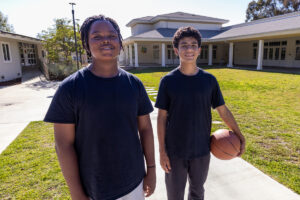
Adolescent residential treatment is a structured, 24/7 level of care designed for children and teens who need intensive therapeutic support in a safe, supervised environment. Located in Pasadena, CA, and serving families throughout Los Angeles County and beyond, HillsidesCares provides youth mental health residential treatment for children and adolescents ages 6–17.
When home, school, and outpatient therapy no longer feel like enough, residential care can provide the stability and clinical depth your child needs to begin healing.
Quick takeaways
- 24/7 structured residential care in Pasadena, CA
- Serving children and adolescents ages 6–17
- Small cottage-based living (no more than 10 youth per group)
- Individual, group, and family therapy with DBT and trauma-informed care
- Support for co-occurring mental health and substance use conditions (no detox services)
- Collaboration with families and school districts
- Insurance accepted, including Anthem, Blue Shield, Kaiser, Optum, TriCare, and more
If you are searching for adolescent residential treatment centers near you in Pasadena or Los Angeles County, our admissions team is available at 323.641.4842 to help you determine the right next step.
Who our residential program is for
If your child is in immediate danger or experiencing a medical emergency, call 911 or go to the nearest emergency room.
Recognizing the signs your child needs residential care can help you act before symptoms escalate. Residential care may be appropriate if your child is experiencing:
- Persistent depression or anxiety that has not improved with outpatient care
- Escalating emotional outbursts or behavioral dysregulation
- School refusal or inability to function academically
- Ongoing self-harm behaviors or safety concerns
- Trauma-related symptoms that interfere with daily life
- Severe family conflict that requires structured intervention
- Co-occurring mental health and substance use concerns
Some youth need a level of structure and supervision that cannot be safely maintained at home. Residential treatment for troubled teens and younger children provides continuous clinical monitoring, crisis response support, and therapeutic immersion.
As symptoms stabilize, many families transition into a lower level of care, such as our partial hospitalization program, to maintain therapeutic momentum while increasing independence.
What we treat
Our adolescent behavioral health treatment program supports children and teens experiencing complex emotional, behavioral, and trauma-related challenges. Families searching for teen depression treatment centers or structured support beyond outpatient therapy often need a setting that provides consistency, safety, and clinical depth.
We treat a wide range of mental health conditions, including:
- Clinical depression
- Anxiety disorders and social anxiety
- PTSD and childhood trauma
- ADHD and neurodevelopmental challenges
- Bipolar disorder
- Psychosis and schizoaffective disorder
- Dissociative disorders
- Anger management difficulties
- Emotional dysregulation
- Dual diagnosis (co-occurring mental health and substance use concerns)
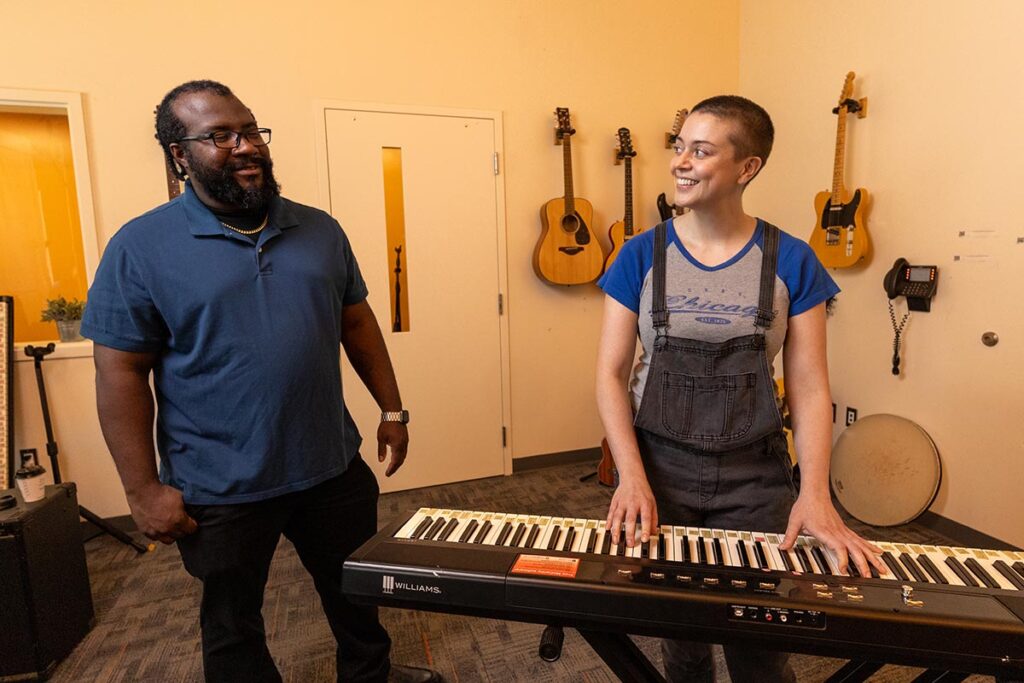
We are a trauma-informed organization and utilize evidence-based approaches such as TF-CBT, Seeking Safety, and Aggression Replacement Training (ART). Therapeutic modalities may include cognitive-behavioral therapy, dialectical behavior therapy, family therapy, motivational interviewing, trauma therapy, mindfulness meditation therapy, and expressive modalities such as music-based programming.
Our campus is LGBTQ+ affirming and welcomes youth from all backgrounds and family structures.
What to expect in residential treatment
Every child’s journey is unique. Treatment begins with a comprehensive clinical assessment to understand emotional needs, behavioral patterns, family dynamics, and safety concerns.
Intake and assessment
Our multidisciplinary team—including a psychiatrist, mental health clinician, behavioral specialist, licensed vocational nurse, case manager, and support staff—develops an individualized care plan based on medical necessity and therapeutic goals.
The first week
Youth begin participating in structured daily programming, individual therapy, group sessions, and skill-building exercises. Psychiatry services are provided through telehealth, with medication management as needed.
Ongoing care
Clients engage in:
- Individual therapy
- Group therapy
- Family therapy
- DBT skills groups
- Trauma-focused interventions
- Wellness and recreational activities
Progress is reviewed regularly, and care plans are adjusted as needed. As youth gain stability, the team may recommend stepping down to a partial hospitalization program (PHP), intensive outpatient program (IOP), or transitioning into other outpatient services.
A typical day in our program
Residential treatment provides structure and predictability, which many youth find grounding and stabilizing. For families deciding between levels of care, understanding the daily rhythm of residential programming can make the distinction between IOP vs. residential treatment much clearer.
A typical day may include:
Morning routine and breakfast
Establishes structure and healthy habits.
Clinical groups and skills practice
DBT skills, emotional regulation, distress tolerance, and communication training.
Individual therapy sessions
Focused therapeutic work addressing personal goals.
Lunch and recreational time
Encourages social connection and balance.
Afternoon programming
Trauma therapy, expressive therapies, equine or mindfulness-based interventions.
Evening cottage time
Supervised peer interaction, reflection, and preparation for the next day.
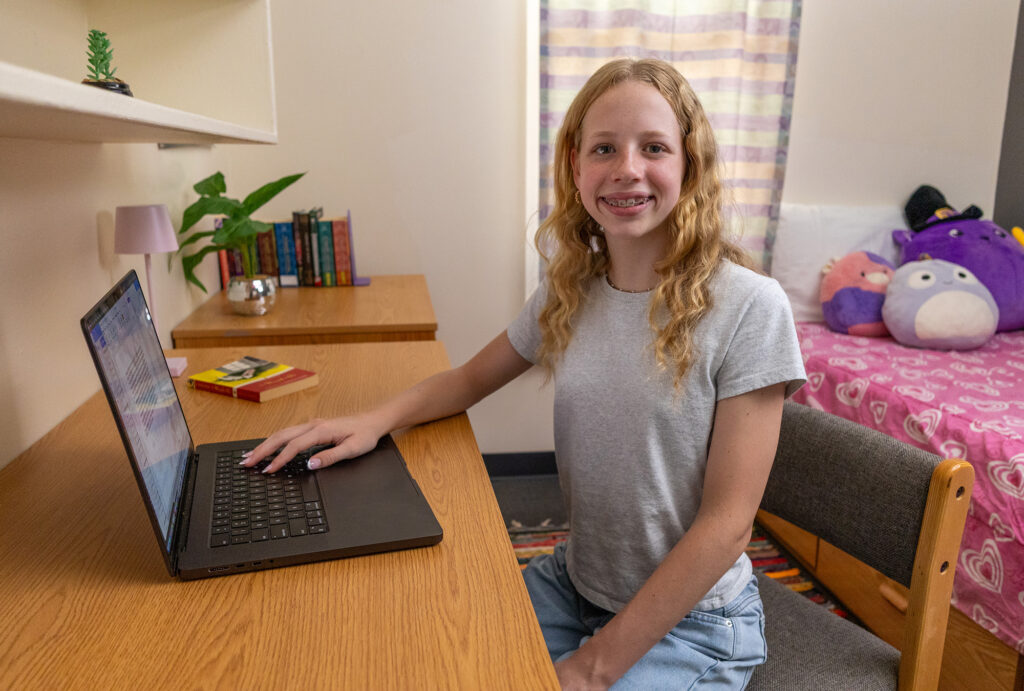
Each residential cottage houses no more than ten youth, creating a close-knit environment within our 17-acre Pasadena campus.
Family involvement and parent support
Family involvement is central to the treatment process.
Parents participate in:
- Weekly family therapy
- Multifamily programming
- Regular phone or virtual updates
- Immediate crisis notifications
Many families share that feeling informed and involved helped rebuild trust and connection during treatment. When youth transition to a lower level of care, aftercare check-ins continue for one month to support stability and continuity.
School and academic coordination
Your child’s mental health and well-being come first in our short-term program. While we do not provide direct academic instruction on campus, we support youth in feeling ready to return to school when the time is right.
If your child has an IEP or 504 plan, we collaborate with your school district to ensure appropriate coordination. Our team communicates with schools as needed to support a smoother reintegration process and structured transition plan.
Length of stay and outcomes
Every child’s journey is unique. Most youth stay a few weeks, with some staying up to a few months. We create a plan tailored to your child’s needs, symptoms, and clinical progress.
Length of stay depends on:
- Symptom severity
- Treatment goals
- Family engagement
- Authorization and medical necessity review
Throughout treatment, progress is monitored through clinical observation, therapy sessions, behavioral assessments, and family feedback. As youth begin to demonstrate improved emotional regulation, communication skills, and stability, families often start to see the broader benefits of residential treatment for teens reflected in their child’s confidence and ability to manage daily stressors more safely.
Insurance, cost, and admissions
We work with many major insurance providers, including:
- Anthem Blue Cross
- Blue Shield of California
- Carelon Behavioral Health
- Evernorth Behavioral Health
- Kaiser Permanente
- Magellan
- Optum
- TriCare
Our admissions team can verify benefits and guide you through the intake process. Families are encouraged to schedule a campus tour to better understand the residential setting and meet members of our team.
We also collaborate closely with pediatricians, therapists, school counselors, and case managers seeking a credible residential option for referral.
Pasadena location and areas we serve
HillsidesCares
940 Avenue 64
Pasadena, CA 91105
Why choose HillsidesCares in Pasadena?
Families choose HillsidesCares because:
- We serve youth ages 6–17, including younger children
- We provide small-group, cottage-based living
- We integrate trauma-informed, evidence-based care
- We offer experiential therapies such as equine and expressive programming
- We support healthy phone use through a structured, monitored policy
- We maintain strong family involvement throughout treatment
Our 17-acre campus offers a peaceful environment while remaining accessible to families across Los Angeles County.
Our dedicated staff
Residential treatment is delivered by a multidisciplinary team trained specifically in child and adolescent mental health. Families exploring the Hillsides Cares staff often want reassurance that their child will be supported by experienced professionals who understand complex developmental and trauma-related needs.
Our treatment team includes:
- Psychiatrists
- Mental health clinicians
- Behavioral specialists
- Licensed vocational nurses
- Case managers
- Recreational and support staff
Each member of the team is trained specifically in child and adolescent mental health, working collaboratively to support safety, growth, and long-term stability.
"*" indicates required fields