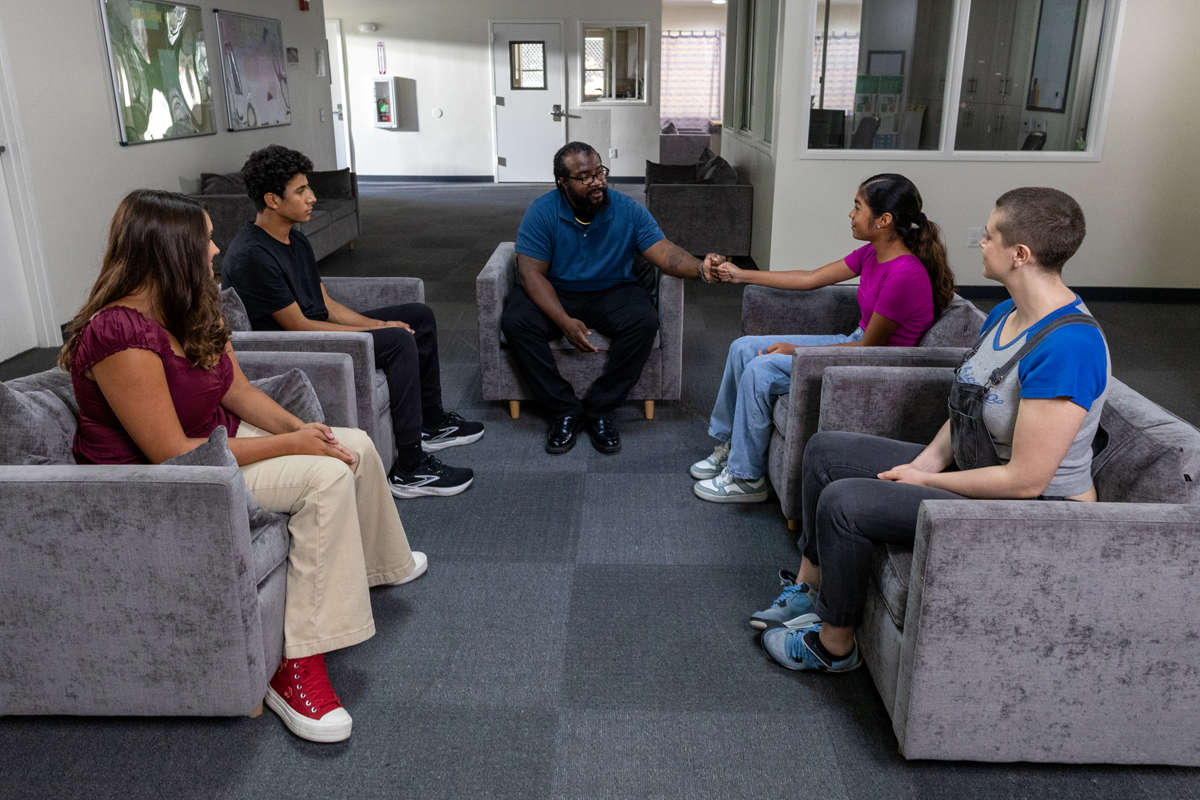
When your child is struggling, it is easy to feel scared, uncertain, and overwhelmed. You may be watching their emotions intensify, noticing conflicts at home becoming more frequent, or feeling like nothing you try is helping the way you hoped. Many parents describe this moment as a turning point, when they begin wondering if outpatient support is not enough anymore. Residential care is an option available for children who need 24/7 support for their mental and behavioral health.
If you are considering residential treatment, you may also feel guilt or fear about what that means. You are not alone. At HillsidesCares in Pasadena, we work with kids and teens ages six to seventeen who need focused, short-term help in a safe, structured environment. Our goal is to support both your child and your family so you do not have to navigate this experience on your own.
Table of Contents
What residential treatment looks like for kids and teens
Residential treatment gives kids space to step away from daily stress and receive support in a safe, structured setting. At HillsidesCares, youth ages six to seventeen stay in small cottages on our Pasadena campus, where consistent routines, caring staff, and therapeutic activities help them feel grounded again.
Kids participate in individual, group, and family therapies, along with skill-building and calming activities that support emotional balance. Treatment is short-term, with a focus on stabilization and learning tools they can use at home and at school.
While we do not provide direct school instruction, we help kids rebuild confidence and routines so they feel ready to return to school. We collaborate with caregivers and school districts to support a gradual reintegration back into the school environment.
The benefits of adolescent residential treatment
The decision to enroll your child or teen in residential care can be intimidating, and you may have a lot of fear about it. It’s normal to feel this way, and residential treatment can be a life-changing experience for those who need it.
Benefit 1: A safe and structured environment
Kids and teens often feel calmer when they know what to expect. Residential treatment provides predictable routines that help reduce anxiety and feeling overwhelmed. Regular mealtimes, therapy groups, recreation, skill building, and quiet time create a rhythm that helps kids feel secure.
In our cottages, staff are always available, gently guiding children through difficult moments and celebrating their progress. The environment is designed to feel supportive, not clinical, so kids can relax into the healing process.
Benefit 2: Intensive therapeutic and psychiatric support
In residential care, your child receives consistent therapeutic support each day. This includes individual therapy, group therapy, and family therapy, along with access to psychiatry and full-time nursing. Whether your child is entering residential treatment for depression, anxiety, or trauma, their treatment plan is tailored to their needs and updated as they grow.
Therapeutic approaches include:
- Cognitive-behavioral therapy
- Dialectical behavior therapy
- Trauma-informed care
- Motivational interviewing
- Trauma-focused cognitive-behavioral therapy
- Seeking Safety
- Aggression Replacement Training
Your family also has regular communication with the clinical team, ensuring you feel informed and supported. You will hear from the mental health clinical staff throughout treatment, so you’ll always understand your child’s progress.
Active family engagement is vital to successful residential treatment because it helps caregivers understand, practice, and reinforce the skills their child is developing. When families participate consistently, they strengthen progress during treatment and support a smoother, more sustainable transition home.
Benefit 3: Growth in emotional regulation and coping skills
Residential treatment helps kids and teens learn healthier ways to cope with big emotions. A few of the skills learned in residential treatment include:
- Naming feelings
- Managing anger or frustration
- Calming their bodies during stress
- Building communication skills
- Learning problem-solving strategies
- Naming feelings
- Developing healthy boundaries
These coping skills and emotional regulation skills help kids feel more confident when they face challenges in daily life. Parents also receive guidance so they can reinforce these skills at home.
Benefit 4: Space to heal relationships at home
When things become tense at home, it is easy for families to fall into patterns of stress and misunderstanding. Residential treatment gives everyone a moment to pause, breathe, and reset.
While your child is healing, parents and caregivers participate in therapy sessions designed to strengthen communication, rebuild trust, and reconnect families. This is a core part of treatment, because healing does not happen in isolation.
You’ll want to prepare for what happens after residential treatment before your child returns home.
Benefit 5: A therapeutic community and peer connection
Kids often feel relieved when they meet peers who understand what they are going through. Small group sizes help kids build friendships and feel less alone.
This sense of community can be incredibly healing. Kids learn they are not defined by their behavior or symptoms. They practice social skills, support one another, and discover new hobbies and interests through recreation and therapeutic activities.
Parents often ask how to stay connected, so we help you understand what visiting your teen in residential treatment looks like.
Which kids benefit most from residential treatment
The reasons teens (and kids!) start residential mental health treatment vary. May families start with HillsidesCares because of:
- Intense emotional reactions that feel hard to manage
- Trouble functioning at home or school
- Behaviors that have become unsafe or overwhelming
- Frequent conflicts that create stress for the whole family
- Symptoms of anxiety, trauma, depression, ADHD, or mood instability
- Difficulty benefiting from outpatient therapy or IOP
These challenges can leave kids discouraged and families exhausted. A short reset in a structured environment often gives children space to heal, rebuild confidence, and reconnect with their families.
Many parents explore these options after reviewing behavioral health services in CA to compare different levels of support.
Signs it may be time to consider residential treatment
Parents often wonder when residential treatment is necessary. Our team can help you understand whether residential care is right for your child when you get in touch with us. These are common signs it’s time to reach out for more support:
- A decline in emotional stability
- Increasing conflict at home
- Frequent school disruptions or avoidance
- Self-harm concerns
- Difficulty participating in outpatient therapy
- Signs of trauma, anxiety, or depression that are not improving
These signs do not mean your child is beyond help. They simply indicate that more consistent support may be beneficial.
What to expect when you contact HillsidesCares
Reaching out for help is a brave step. When you call, you will speak with a compassionate member of our intake team who listens carefully and guides you through the process.
They will:
- Learn about your child’s symptoms and needs
- Recommend a level of care
- Explain what daily life looks like
- Review costs and help you verify your insurance coverage
- Support you in preparing your child for admission
Families often feel immediate relief knowing they do not have to walk this alone.
Teen residential treatment FAQs
Treatment length varies based on your child’s needs, progress, and goals. Your care team will talk with you about expectations early on and give regular updates so you know how things are going.
Your child’s emotional well-being comes first. While we do not provide direct school instruction, we help your child feel ready to return when the time comes. We collaborate with caregivers and school districts to support a gradual reintegration back into the school environment.
Yes. Family involvement is central to treatment. Parents receive guidance on schedules, expectations, and ways to stay connected.
Kids follow a structured routine that includes therapy, skill building, recreational activities, meals, rest time, and supportive check-ins. Predictable schedules help kids feel calmer and more in control.
Most youth step down into PHP, IOP, or outpatient therapy to continue practicing the skills they learned. The HillsidesCares treatment team supports family in connecting to services to ensure a continuous treatment process and avoid any undue gaps in services.
Yes. Our admissions team can help you verify your insurance coverage and understand what your plan includes.
There are several types of residential care available for kids and teens. Specialized residential campuses offer youth-specific, evidence-based care that is personalized for your child’s needs. You might also find hospital-based care, group homes, or crisis-based care, though each may offer more or less intense care than a residential campus.
Ask direct questions about:
- State licensing and any national accreditation
- Staff credentials, training, supervision, and coverage
- How the program protects safety and handles crises
- Experience with your child’s age and specific needs
- Which therapies are used, and how treatment plans are individualized
- How often families participate in therapy and communicate with the child
- How progress is measured and shared with caregivers
- School coordination and support for IEPs
- Discharge planning, aftercare, and coordination with community providers
- Expected length of care, total cost, and insurance coverage
We’re ready to help
Choosing residential treatment often comes after weeks or months of trying everything you can at home. By the time families reach us, they are looking for a place where their child can have room to breathe and a team that truly understands how kids heal. HillsidesCares was built for moments like these. With structure, compassion, and guidance for the whole family, your child can begin to feel steady again, and you can regain a sense of clarity about the path forward.
Clinical Reviewer