
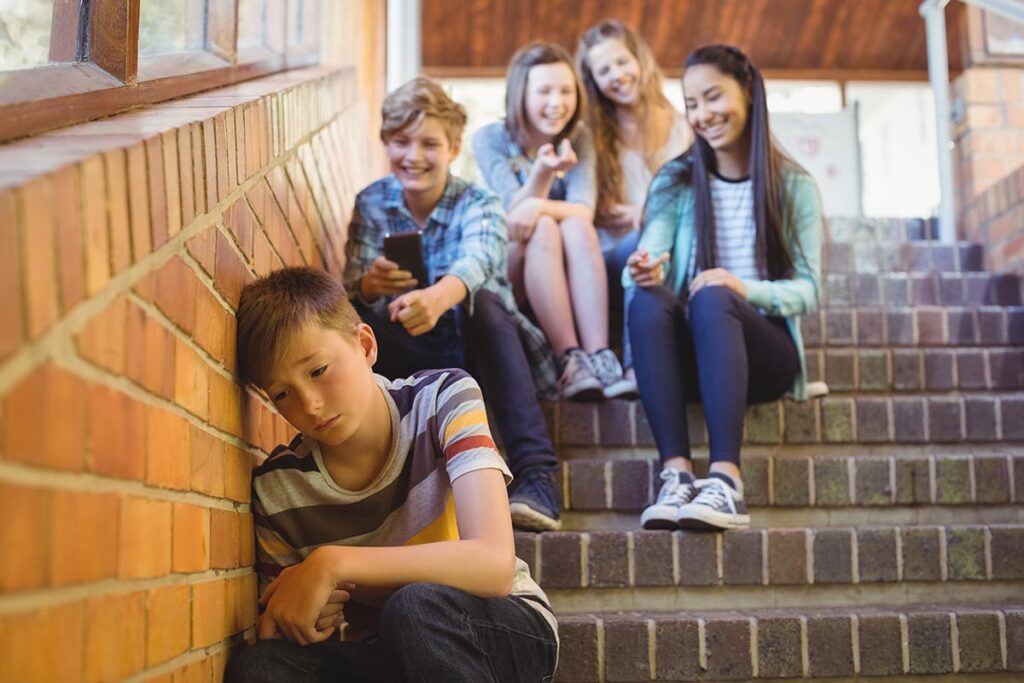
If your child is being bullied, it can be incredibly painful to watch. You may notice small changes at first—maybe your child seems quieter, more anxious, or less confident than usual. Those shifts can leave you wondering how deeply the experience is affecting them.
Bullying can affect far more than a child’s day-to-day experience at school. Repeated teasing, exclusion, threats, or harassment can gradually undermine a child’s self-esteem, confidence, and sense of self-worth. Bullying in today’s world can extend beyond school hours and become a 24/7 experience, especially depending on how often a child is engaged online.
Some children begin to absorb the hurtful messages they hear from peers. Your child might start questioning their abilities, worrying about how others see them, or feeling like they don’t belong.
Research shows bullying is linked to higher risks of anxiety, depression, and social withdrawal, and these emotional effects may continue even after the bullying stops.
Understanding how bullying affects mental health can help you recognize when your child may need additional support—and how you can help them rebuild a healthier sense of self.
Effects of bullying on self-esteem, self-worth & confidence
One of the most common emotional consequences of bullying is a decline in a child’s self-esteem.
Self-esteem reflects how your child feels about who they are and what they are capable of. When bullying happens repeatedly, it can begin to reshape those beliefs.
For example, a child who is constantly teased about their appearance, abilities, or personality may begin to believe those negative messages.
This can lead to:
- Lower confidence
- Increased self-doubt
- Feelings of embarrassment or shame
- Negative self-image
You may notice your child becoming hesitant to try new things or stepping back from activities they once enjoyed.
Research has found that children and adolescents who experience bullying often report significantly lower self-esteem compared with peers who have not been bullied.
When these struggles start interfering with daily life, mental health treatment for teens can help children rebuild confidence and develop healthier coping skills.
Signs of low self-esteem after bullying
Children don’t always tell adults when bullying happens. Instead, the impact often shows up through changes in mood, behavior, or routines.
Signs your child may be struggling with self-esteem after bullying include:
Withdrawal from friends or activities
Your child may stop participating in hobbies, sports, or social events they once enjoyed in ways that go beyond what would be expected for their age.
Negative self-talk
They may begin saying things like “I’m bad at everything” or “Nobody likes me.”
Avoiding school or social situations
Some children become anxious about going to school or ask to stay home more often.
Feeling nervous in group settings
Your child might appear uncomfortable around peers or worry about being judged.
A noticeable drop in confidence
They may hesitate to try new things or avoid situations where they feel exposed.
Changes in sleep, appetite, or grades
Emotional stress from bullying can affect sleep patterns, concentration, and motivation.
Persistent sadness or hopelessness
Some children may start feeling worthless or believe things will not improve.
Children who experience bullying may also develop physical stress symptoms such as headaches or stomachaches.
In some cases, emotional distress can also appear as social fear, irritability, or other anxiety symptoms in kids that begin interfering with daily routines.
Emotional and long-term psychological effects of bullying
Bullying can cause both immediate emotional distress and longer-lasting psychological effects.
In the short term, your child may experience:
- Anxiety or nervousness
- Sadness or embarrassment
- Anger or frustration
- Fear of social situations
If bullying continues for an extended period, the emotional impact can deepen.
Some children begin to experience:
Ongoing self-doubt
Your child may continue questioning themselves even after the bullying stops.
A negative self-image
Repeated criticism can shape how children think about their identity and worth.
Difficulty trusting peers
Your child might become cautious or withdrawn around others.
School avoidance or declining academic performance
Fear of bullying can make concentrating or attending school more difficult.
Challenges forming friendships
Bullying experiences may make social situations feel unsafe or overwhelming.
Repeated bullying can also leave children feeling constantly on edge or unsafe, which may resemble patterns clinicians watch for when they recognize PTSD in kids.
Can bullies have low self-esteem too?
When discussing bullying, the focus is usually on the child who was harmed. But some children who bully others are struggling emotionally as well.
Not every child who bullies has low self-esteem. Some may be seeking attention, trying to gain social status, or responding to peer pressure.
However, some children use aggression as a way to cope with insecurity or frustration. Bullying behavior can sometimes be an attempt to improve a child’s sense of status or self-worth compared to peers.
This does not excuse bullying behavior. But it does highlight that both the child being bullied and the child engaging in bullying may need support and guidance.
Helping children build empathy, emotional regulation, and healthy coping skills can reduce bullying and strengthen relationships.
How parents can help rebuild self-esteem after bullying
If your child has been bullied, your support can make a powerful difference in their recovery.
Consistent encouragement and emotional support at home, combined with active parental engagement and awareness of your child’s social experiences, can help restore their sense of safety and confidence and support early identification of bullying.
Listen without judgment
Give your child space to talk about their experiences. Try to listen calmly and avoid immediately jumping to solutions.
Validate their feelings
Let your child know their emotions are understandable. Feeling hurt, angry, or embarrassed after bullying is normal.
Challenge negative beliefs
If your child begins criticizing themselves, gently remind them of their strengths and positive qualities.
Encourage positive experiences
Activities where your child feels capable and supported can help rebuild confidence.
Involve supportive adults
Teachers, counselors, coaches, and trusted family members can help reinforce positive messages and provide additional support.
Celebrate small wins
Rebuilding self-esteem takes time. Acknowledging small achievements can help your child begin to see themselves more positively again.
Create a plan if bullying continues
Working with school staff to address the situation can help your child feel safer and supported, and using parental controls and monitoring tools can provide an added layer of protection in their online environments.
When to get professional help for bullying-related self-esteem issues
Sometimes the emotional effects of bullying go beyond what a child can manage on their own.
You may want to consider professional support if your child:
- Seems persistently withdrawn or sad
- Shows severe anxiety about school or social situations
- Experiences major changes in sleep, appetite, or mood
- Struggles academically due to emotional distress
- Expresses feelings of hopelessness or worthlessness
Therapy can help your child process what they experienced and rebuild confidence in a healthy way.
Mental health professionals often use evidence-based approaches such as cognitive-behavioral therapy, trauma-informed therapy, and family therapy to help children develop healthier coping strategies and emotional regulation skills.
When bullying experiences become overwhelming or prolonged, they may contribute to emotional responses similar to other common types of trauma in kids, which trained clinicians can help children safely process.
Get help for your child with HillsidesCares
If your child is struggling with the emotional effects of bullying, you don’t have to navigate it alone.
HillsidesCares provides trauma-informed mental health care for children and adolescents ages 6–17, offering residential care, partial hospitalization (PHP), intensive outpatient programs (IOP), and outpatient support designed specifically for youth.
Our multidisciplinary treatment team—including psychiatrists, clinicians, behavioral specialists, nurses, and case managers—works closely with families to create individualized treatment plans that support healing and emotional growth.
With the right support, children can recover from bullying experiences, rebuild confidence, and begin to feel safe and empowered again.
If you are concerned about your child’s mental health or self-esteem after bullying, the HillsidesCares team can help guide the next steps toward healing.